describe the image

Subscribe by Email

Your email:

Browse by Tag

Follow Me

IMA's Implementing Organizational Changes at Speed Blog

Current Articles | RSS Feed RSS Feed

Solution Adoption is the Name of the Game

 
Yesterday on a client call we had a great discussion about the focus of Six Sigma and Lean operational improvement efforts on problem-solving versus solution adoption. As our client so aptly put it, "We think we are so good at problem-solving with Six Sigma and Lean, yet we haven't solved the biggest problem of all-- which is how to get our solutions actually adopted."

And isn't this true for all types of organizational change? Isn't the major focus on solution design, and not on implementation for virtually every type of business change? Why are executives satisfied with solutions that are "installed" but not implemented? Shouldn't every business change be measured by the yardstick of solution adoption?

If we aren't focused on sustained solution adoption as the end-goal, then our implementation efforts are doomed to fall short. If project teams fail to see that unless we achieve solution adoption that sticks, we can't consider a project a success.

To get to solution adoption, we need to put much greater emphasis on the human factors. That begins with having a clear definition of the human objectives for the change. These are the "behaviors we seek to see." If we aren't defining these behaviors up-front, we can't determine if the solution is adopted at the end!

As change management professionals, we need to be talking a lot more about solution adoption with our internal clients and business partners. There isn't anything "soft" about solution adoption and benefit realization for strategic investments.

These language patterns matter, because through repetition we can start to change the mindset and focus for projects. Meeting timelines and budget requirements is extremely important, but if we don't get to sustained solution adoption, what have we really achieved?

When Six Sigma and Lean professional starting using the language of solution adoption and put as much emphasis on solution adoption as on problem-solving, we will see real business improvement.

Are Your Continuous Improvement Programs Delivering on their Promise?


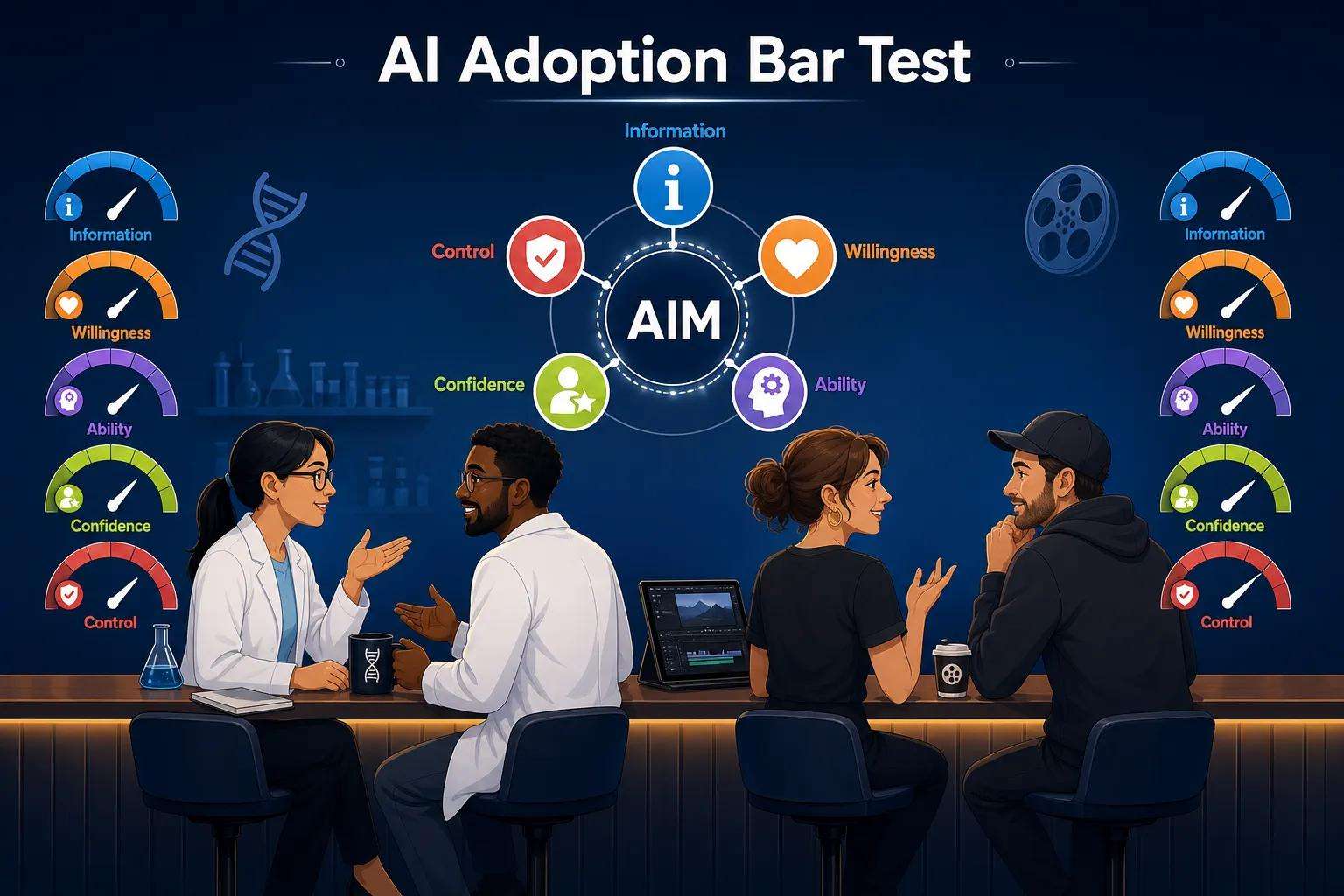
One of the most significant stumbling blocks that business process re-engineering initiatives encounter is in the deployment phase of the process improvement process. There is logic and data to suggest that although statistical analyses can improve organizational effectiveness, reduce unnecessary activities, increase productivity, and reduce costs, no process improvement or culture change will occur unless solutions can be implemented through to utilization and Return on Investment. The application of the Accelerating Implementation Methodology (AIM) dramatically improves the likelihood of success for Lean and Six Sigma initiatives.


Beyond selecting the right projects, business process re-engineering will only be successful if the improvements are properly implemented and achieve long-term adoption. Successful deployment of process improvement initiatives such as Lean Production require the selection of the right people for implementation (Agents); the right leadership (Sponsors); the right personal recognition and environmental supports (Reinforcement); and the right methods for identifying and managing resistance to changes (Readiness for change).


Application of the AIM Methodology enables Lean and Six Sigma teams to apply the same process framework approach to what is often considered to be the softer side of process improvement. The methodology offers a robust set of tools and measurement diagnostics, along with a structured framework for managing the human elements of continuous improvement efforts. This is supplemented by organizational learning to provide practical tactics and strategies that will increase internal capacity to implement more quickly.


To improve your own organization’s Lean and Six Sigma results, IMA (Implementation Management Associates) recommends the following specific actions become part of your business process re-engineering protocols:


  1. Apply the same data-based approach to the human elements through use of diagnostics such as the Implementation History Assessment, Implementation Risk Forecast, Sponsor Assessment, and Change Agent Assessment to identify implementation barriers


  2. Define the desired behaviors (who will need to do what differently, and how well will they need to do it) up-front so that they can be measured and reinforced on the back-end


  3. Develop implementation plans that blend technology and business process improvements with structured, hard deliverables for the human elements, including key role maps, impact mapping, a Sponsorship Strategy and a Reinforcement Strategy that can be seamlessly managed


  4. Re-define the role of the Sponsor from providing high-level support based on organizational position to providing three specific actions: Expressing, Modeling, and Reinforcing the desired behaviors


  5. Develop a Readiness Strategy that specifically includes actions for sourcing and managing Resistance to changes resulting from Lean Six Sigma analyses


These five actions will significantly increase the effectiveness of your continuous improvement initiatives. And as we all know, these efforts are more important than ever to organizational effectiveness and perhaps, even organizational survival.
All Posts