describe the image

Subscribe by Email

Your email:

Browse by Tag

Follow Me

IMA's Implementing Organizational Changes at Speed Blog

Current Articles | RSS Feed RSS Feed

Don't Miss the Critical Factors for Successful Organizational Change


There's no real organizational change without behavior change.  You can "install" a change at the veneer, but if you are looking to achieve value realization for your projects, the end goal is adoption and behavior change. If you just seek "buy-in", rather than behavior change, you won't get adoption or value realization for projects.

If you are looking for real organizational change and value realization for projects, there are some essential elements that you can't ignore:

1.  Do you have the sponsorship required for this organizational change?  Sponsorship, meaning the development of a cascade of leaders and managers, top-down, and across all the areas impacted by the change is the most important factor in implementation success!  These sponsors must be consistently expressing, modeling, and reinforcing their personal and collective commitment to the change.  Building the sponsorship you need for the organizational change through sponsor contracting is the most important activity for any change agent.

 2.  Is there agreement on what the organizational change actually is?  It's amazing how many project teams work for months or even years on an initiative where sponsors and change agents view the change differently.  There's no alignment around what the future state should look like, or what the new desired behaviors are in this future state. 

3.  Are you developing an explicit reinforcement plan-- a menu of reinforcements (positive and negative consequences) that you are working with sponsors to apply on a daily basis with their direct reports?  Reinforcement is the power lever for driving successful organizational change.  Don't rely on your communication plan as the driver because you won't motivate people to adopt new behaviors with logical arguements.  If that were the case, everyone would be skinny, and no one would smoke.

managing resistance to organizational change

4.  How are you planning to manage resistance to your organizational change?  Even the best solutions are going to be met with resistance-- it's inevitable.  If you don't have a plan for managing the resistance your implementation will slow down, stall, or fail altogether. Resistance to change is a major obstacle to value realization.   

Most organizational change fails to deliver the intended value realization because these critical elements are not purposefully managed in the same way the timeline, budget, and technical objectives are.  Remember--no behavior change, no implementation.

build-sponsorship-for-value

Get Real: These Tactics Won’t Drive Transformational Change at Speed


What tactics are your leaders applying to drive transformational change?  After 30 years working in global organizations, we’ve seen a lot of transformational change tactics that cost a lot and do virtually nothing to drive transformational change at speed.   Here’s our top 10 “Get Real” list of things that will not transform your organization:

10.  The compelling new vision and story you are communicating level by management level through the organization.  

You can’t talk your way to transformational change.  No matter how compelling the vision or story is, you won’t get transformational change without leaders who are consistently expressing, modeling and reinforcing the new behaviors.  Reinforcement, not communication, is the power lever for driving transformational change.

 9.  The leadership development program that promises to shift the culture.

Don’t expect to train your way to a new culture by a series of workshops. 

 8.  The $2 million you spent on the 150 slide powerpoint deck from consultants that shows how the five strategic pillars/foundations/principles integrate with the seven horizontals/glidepaths/workstreams.

We’ve seen these slide decks dozens of times.  They’re not going to drive transformational change.

 7.  The new series of Town Hall meetings where you tell your organization that you really mean it, and it’s all going to be different this time around.

This is a recipe for increasing resistance and slowing down the transformational change.  Leadership’s trust and credibility just diminishes. Transformation change leadership requires sponsors who demonstrate from the beginning that they are willing to make the required personal sacrifice.

 6.  Trying one more time to map the end-to-end process and eliminate ancillary people because you are now “Lean.”

You can only streamline processes so much; once you cut into the muscle of the organization, the organization’s effectiveness is damaged.

transformational change at speed  5.  The “bold new look” you have given your logo.

  You can’t market yourself to transformational change.

  4.  Re-drawing the organization chart and shuffling    executives around the various boxes.

 Structural solutions to cultural issues won’t drive the transformational change. 

 3.  Engagement Surveys.

Real engagement is driven by employees who are reinforced with both positive and negative consequences on a daily basis by their managers, based on the observation of behaviors.

 2.  Consultants.

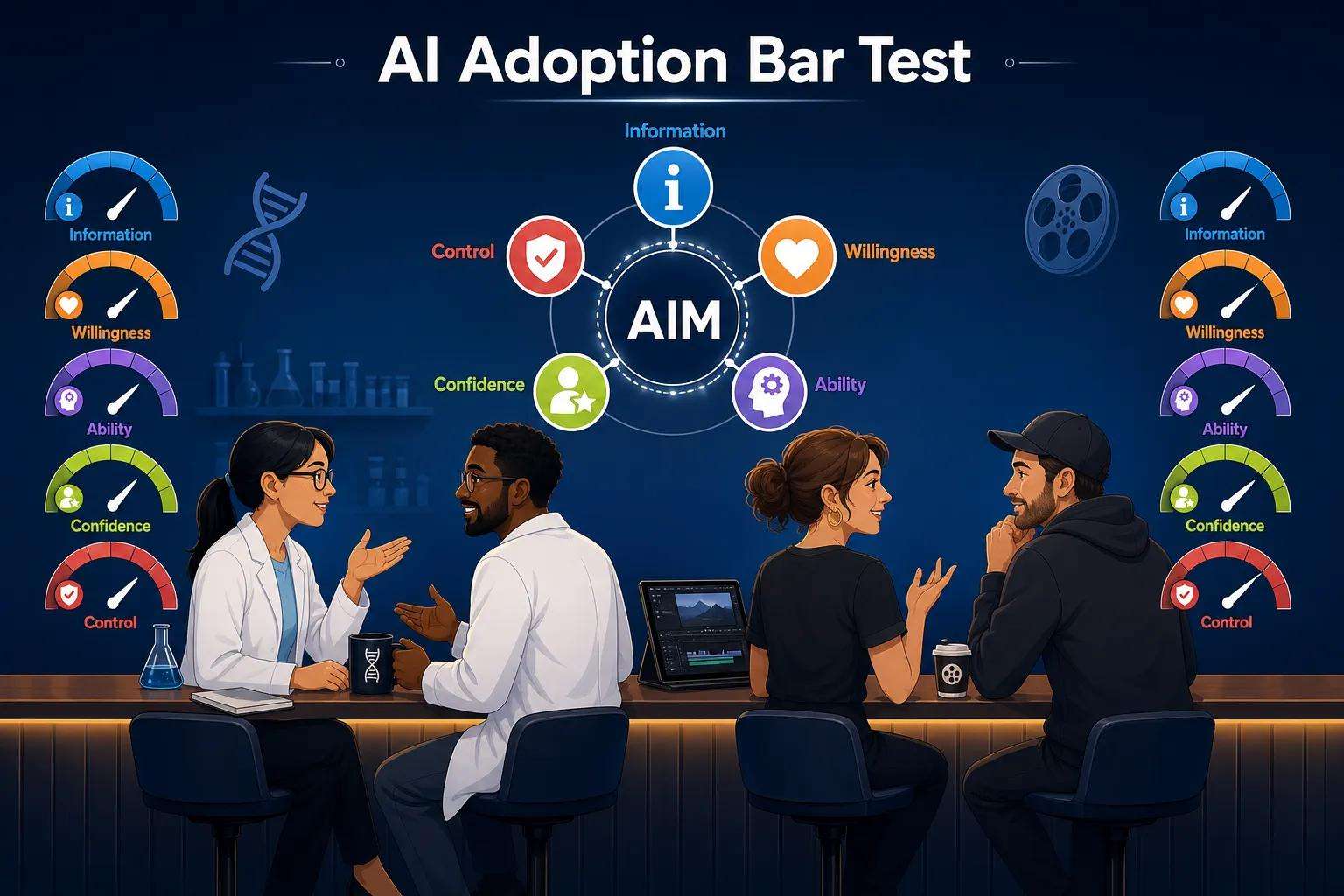
Consultants can’t drive transformational change for you.  They can provide a framework ( we believe the Accelerating Implementation Methodology (AIM) is the best around) and coaching, but only leaders can sponsor transformational change.

 1.  Downsizing.

Don’t promote transformational change that’s really just a cover-up for a downsizing strategy. 

 Get real about what doesn’t work, and what does.

download-the-webinar-on-qu

All Posts