One of our newest clients in the UK is the Blackburn with Darwen NHS PCT/Borough Council partnership. These two organisations are an excellent example of a healthcare transformation effort, representing two parallel initiatives that are focused on both transforming healthcare services commissioning and planning and healthcare services delivery.
In one of our conversations, our client noted that, This is not just about structures and processes. This is really a cultural change as well.
How true! Healthcare transformation cannot be successful on a sustained basis without attention paid to the human-side of transforming healthcare services. This requires an investment of time and resources in healthcare change management such as generating durable Sponsorship and pro-actively planning for and managing healthcare resistance to change.
Why Expect Healthcare Resistance to Change?
It doesnt matter if a healthcare change is logical or intended to make things better through new healthcare IT like electronic medical records implementation- the fact is that any healthcare change is disruptive. And the disruption created by the enormity of healthcare transformation brings with it healthcare resistance to change. When you change the way that people do their jobs, it is a big deal, and of course changing processes and structures are fundamental to transforming healthcare services.
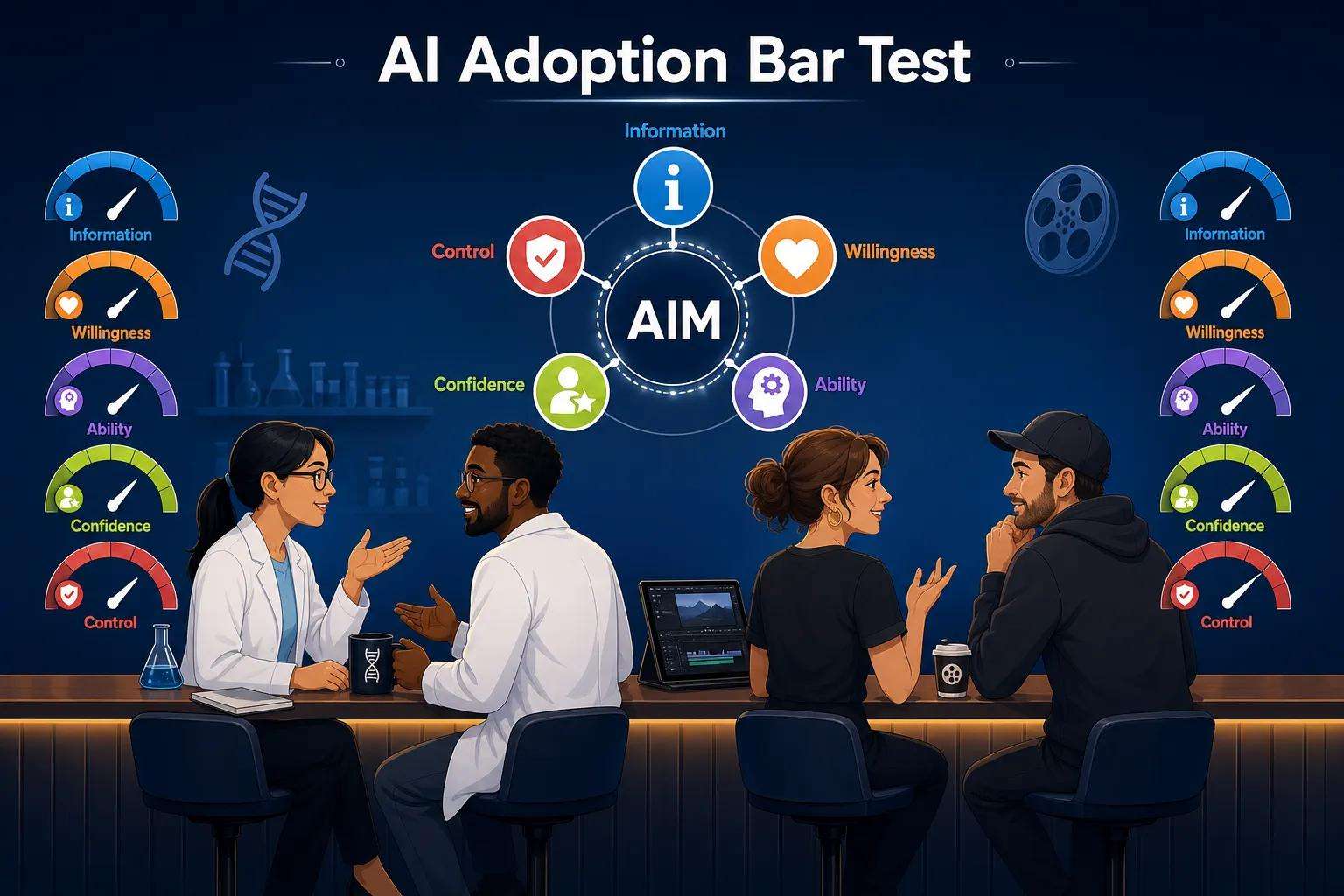
With the application of the Accelerating Implementation Methodology (AIM), we can actually identify prospectively the likely sources of healthcare resistance to change, and develop strategies and tactics for managing it. You cant squash it, but you can learn how to use healthcare resistance to change to your own advantage in driving healthcare transformation.
If you dont deal with healthcare resistance to change, your healthcare transformation efforts will slow down, and perhaps even fail. As we tell our clients, you can invest in dealing with healthcare resistance to change now, or pay for it later.
I had two reactions after my first visit to the trade show floor at the recent HIMSS (Healthcare Information and Management Systems Society) Conference in Chicago. First, the investment being made in healthcare informatics, including electronic medical records, is enormous. Second, why isnt healthcare change management more visible in the healthcare information technology world?
It would be virtually impossible not to be impressed with the range of healthcare IT software presented on the show floor. The fact remains, though, that healthcare organizations that are looking to build efficiency and improve patient outcomes will be disappointed in healthcare IT results unless healthcare change management is part of their project plans. We know that like all other technology initiatives, the failure/sub-optimized rate for healthcare information technology runs in the 70-80% range.
I took heart, however, from a HIMSS roundtable discussion of healthcare informatics CIOs who all clearly saw that healthcare change management was a key component in their own success. These CIOs werent exactly sure how to surround the problems of technology adoption, collaboration between IT and the business, and other people issues. They were certain, though, that the long-term success of healthcare information technology was more than a hardware and software issue.
With so much attention now focused on healthcare informatics as a foundational piece of the healthcare transformation agenda, its time to bring healthcare change management to the forefront. Were not talking about making people feel good about change; were talking about actions that will lead to improved business results and Return on Investment.
Given the financial resources being spent on healthcare information technology, doesnt it make sense to also invest in making sure people will use the systems we are building?
The move to a paperless electronic medical records system is an important component of healthcare transformation. Beyond the investment in the actual EMR software, successful electronic medical records implementation requires that time, attention, and resources be applied to emr adoptionin other words, to the people side of the healthcare IT system implementation.
Electronic Medical Records Move to the Forefront of Healthcare Change
Now that the Obama administration has drawn attention to the need for healthcare change in the U.S. and specifically, emr as a foundation for transforming healthcare services, a plan for gaining emr adoption becomes more critical. At the same time, we know that electronic medical records implementation faces the same barriers as other new technology.
For example, our healthcare clients at IMA cite examples of emr users resisting the change. In some medical practices, the biggest source of resistance has come from the physicians themselves. And these physicians were supposed to be the Sponsors for the emr implementation!
The application of the Accelerating Implementation Methodology (AIM) can dramatically alter the prospects for adoption and Return on Investment for electronic medical records. AIM is a robust, structured framework, with tools, tactics, templates and strategies, along with a common vocabulary for emr implementation.
No organization should expect to achieve a successful electronic medical records implementation without specifically investing time and resources in gaining adoption. Are there proactive ways that your organization can provide healthcare change management, gain adoption and increase the likelihood of a successful emr implementation? The answer is a resounding yes you can.
As we work with healthcare organizations, both those focused on delivering patient services and those providing healthcare insurance, there is one common thread. All of these organizations are dealing with an overwhelming amount of healthcare change.
Healthcare change can mean new processes, new organization structures or new technology like electronic medical records. But no matter what the nature of the healthcare change, the need for effective change management is readily apparent. At the end of the day, these healthcare changes will not be sustainable unless the organization is able to achieve adoption.
Many of our clients have had past struggles with failed or sub-optimized projects, and they are starting to recognize that the investment they are making in healthcare change also requires a parallel investment in healthcare change management. Through a systematic and systemic approach to healthcare change management like the Accelerating Implementation Methodology (AIM) these organizations are able to increase speed, improve patient quality of care and patient satisfaction, and increase competitive advantage.
Where to start with healthcare change?
If you are undergoing a significant amount of change in a healthcare organization, where should you start? One of the first steps we recommend to clients who are experiencing dramatic healthcare change is to conduct an Implementation History Assessment.
This Assessment provides the patient history of the organizations past implementation history and identifies potential healthcare change management barriers such as Sponsorship, Readiness for Change, Reinforcement issues, and Communication obstacles. Using the results of this Assessment, we are able to take an objective, data-based approach to healthcare change management, and dramatically increase the likelihood of adoption and successful healthcare change.
Contact us to hear more about how we can improve your Healthcare Change projects.